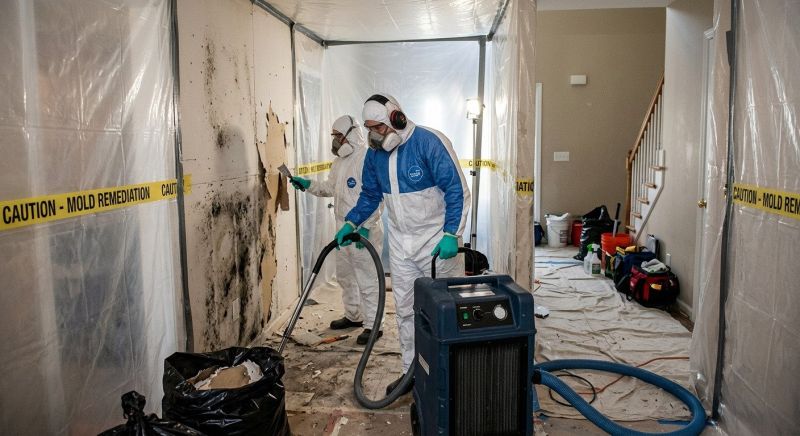
White Mold Mitigation in Bergen County, NJ
White mold mitigation services focus on identifying and removing mold growth caused by excess moisture or humidity inside residential properties. These services typically cover areas such as basements, bathrooms, attics, and other spaces prone to dampness. Property owners often request this service when noticing visible mold, musty odors, or health concerns related to mold exposure. The process involves thorough inspection, containment of affected areas, removal of mold colonies, and steps to prevent future growth, ensuring indoor air quality and property integrity are maintained.
Before requesting white mold mitigation, property owners usually want to understand the extent of mold growth, the potential causes of moisture buildup, and the scope of the work required to fully address the problem. Clarifying whether the mold is surface-level or has penetrated deeper into materials can help determine the appropriate approach. Additionally, understanding the necessary steps to prevent recurrence, such as moisture control or repairs, is often an important part of planning for effective mitigation and long-term property health.
Many property owners in Bergen County, NJ look into White Mold Mitigation for repairs, replacements, upgrades, and appearance-related improvements.
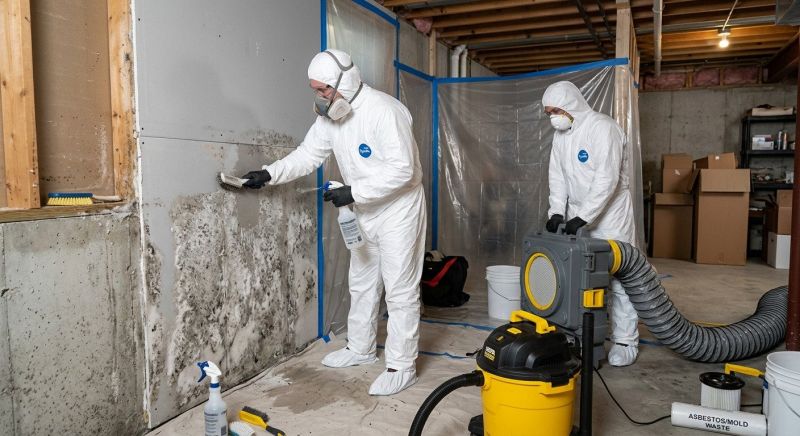
White Mold Mitigation Services
Examples of white mold mitigation work property owners may explore in bergen county, nj.
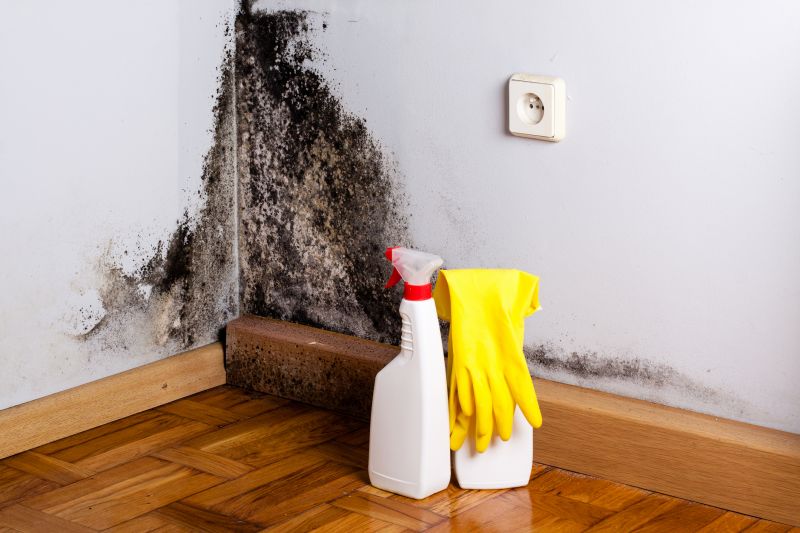
White Mold Mitigation Updates
Common ways people refresh, improve, or restore white mold mitigation features in bergen county, nj.
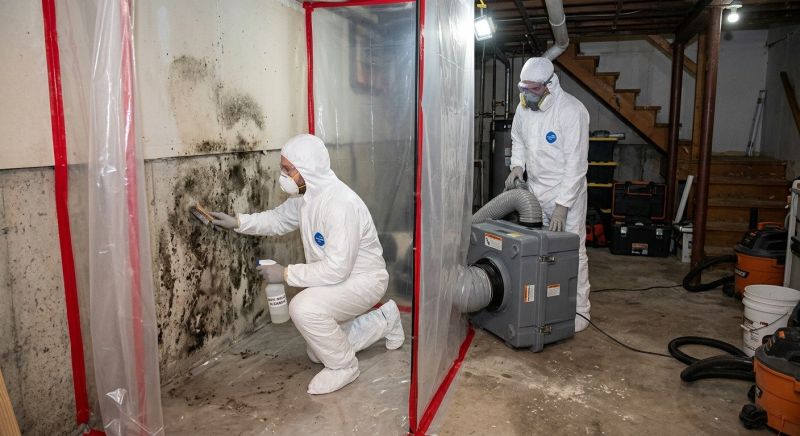
White Mold Mitigation Options
Different styles, layouts, and finishes people consider for white mold mitigation in bergen county, nj.
White Mold Mitigation in Bergen County, NJ
White mold mitigation services focus on identifying and removing mold growth caused by excess moisture or humidity inside residential properties. These services typically cover areas such as basements, bathrooms, attics, and other spaces prone to dampness. Property owners often request this service when noticing visible mold, musty odors, or health concerns related to mold exposure. The process involves thorough inspection, containment of affected areas, removal of mold colonies, and steps to prevent future growth, ensuring indoor air quality and property integrity are maintained.
Before requesting white mold mitigation, property owners usually want to understand the extent of mold growth, the potential causes of moisture buildup, and the scope of the work required to fully address the problem. Clarifying whether the mold is surface-level or has penetrated deeper into materials can help determine the appropriate approach. Additionally, understanding the necessary steps to prevent recurrence, such as moisture control or repairs, is often an important part of planning for effective mitigation and long-term property health.
Many property owners in Bergen County, NJ look into White Mold Mitigation for repairs, replacements, upgrades, and appearance-related improvements.
Common White Mold Mitigation Jobs
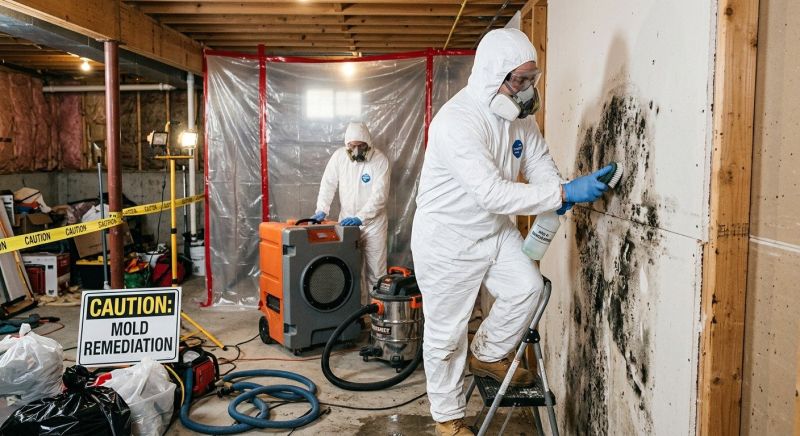
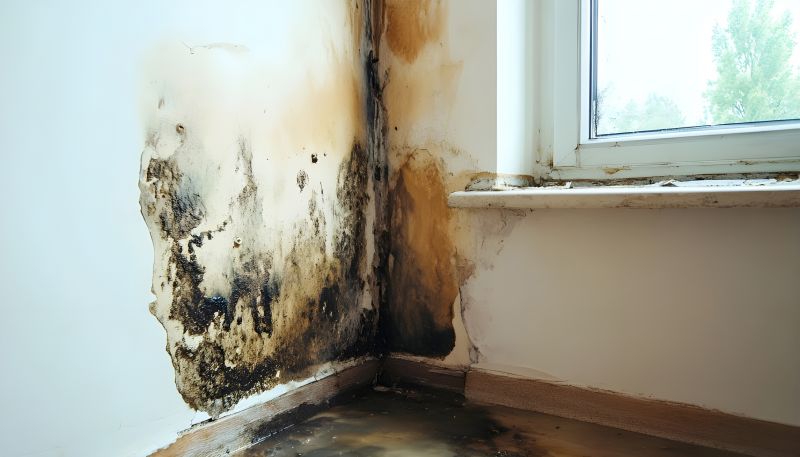
White Mold Removal - specialized cleaning to eliminate visible mold growth on walls, ceilings, and surfaces.
Mold Inspection - thorough assessments to identify hidden mold sources behind walls or in hidden areas.
Moisture Control - addressing leaks and moisture issues that promote mold development.
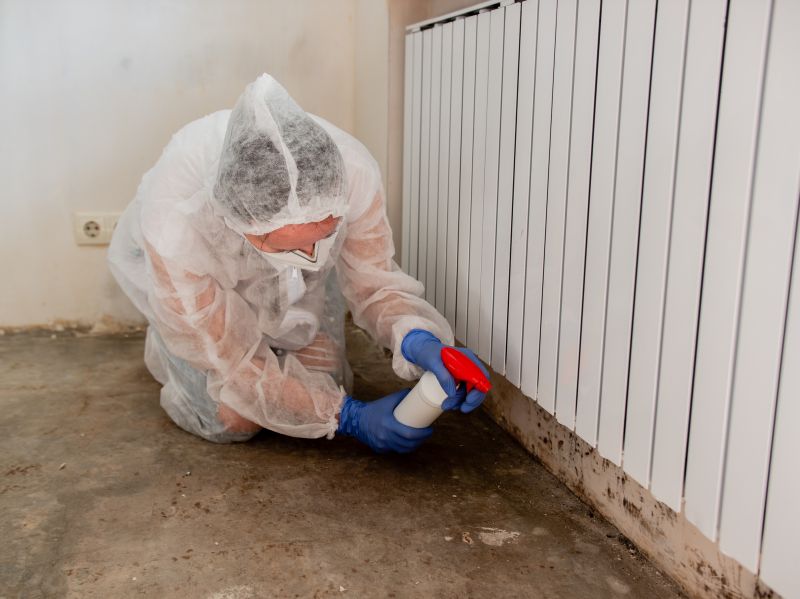
Surface Cleaning - detailed cleaning of affected materials to prevent mold spores from spreading.
Remediation Planning - developing strategies to remove mold safely and prevent future growth.
Structural Drying - drying out affected areas to restore proper moisture levels and inhibit mold return.
White Mold Mitigation Questions
What is white mold? White mold is a type of fungus that appears as a white or grayish growth on surfaces like walls, ceilings, and wood, often caused by excess moisture.
Why is white mold a concern? White mold can damage building materials and may cause health issues such as allergies or respiratory irritation.
How are white mold problems typically addressed? Mitigation involves identifying moisture sources, removing mold-affected materials, and thoroughly cleaning affected areas.
Can white mold be prevented? Preventing white mold involves controlling humidity levels, fixing leaks promptly, and ensuring proper ventilation throughout the property.
Request White Mold Mitigation in Bergen County, NJ
Use the quote form on this page to share the basics of your project and request more information for the type of work you need.